
Newly Diagnosed?
Start Here
Newly Diagnosed? Start Here
If you’ve recently discovered you’re autistic - or suspect you are - you may be feeling a mixture of relief, confusion, grief, validation, overwhelm, or disbelief.
Late diagnosis can be deeply disorienting. Many autistic women spend years adapting, masking, and questioning themselves without realising why life has felt harder than it seemed to for others.
You are not broken, and you do not need to have everything figured out right now.
Go gently
We tend to thrive with clarity, structure, and a sense of direction. It can feel unsettling to receive life-changing information without much guidance on how to process it.
You do not need to reinvent your life overnight. Understanding yourself is a gradual process, and safety often comes before clarity.
What late diagnosis can feel like
You may be:
- replaying your whole life through a new lens
- questioning what is “you” and what is masking
- feeling grief for years spent misunderstood
- noticing sensory needs more clearly
- feeling emotionally exhausted
- craving guidance and certainty
- swinging between relief and doubt
- wondering why nobody recognised it sooner
All of this can be a very normal part of the process.
On this page you will find…
A space for orientation, compassion, and practical grounding through key autistic concepts, SOFTEN, and a nervous-system-friendly approach to housework (although it’s not really just about housework).
You’ll also find links to explore further through my book, blog, and quiz.
Glossary
Let’s begin with some key words that may help you start making sense of your experience.
I found these concepts validating and illuminating, opening up a whole new way to understand and express my lived experience. You’ll find a wider selection explored in Guided by Autism.
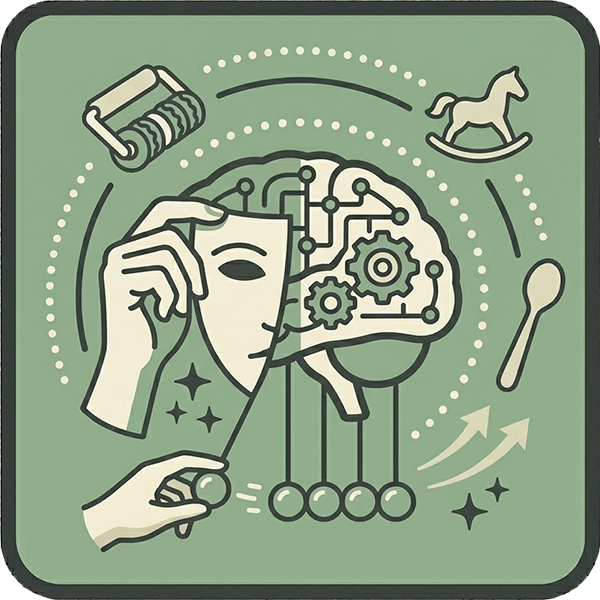

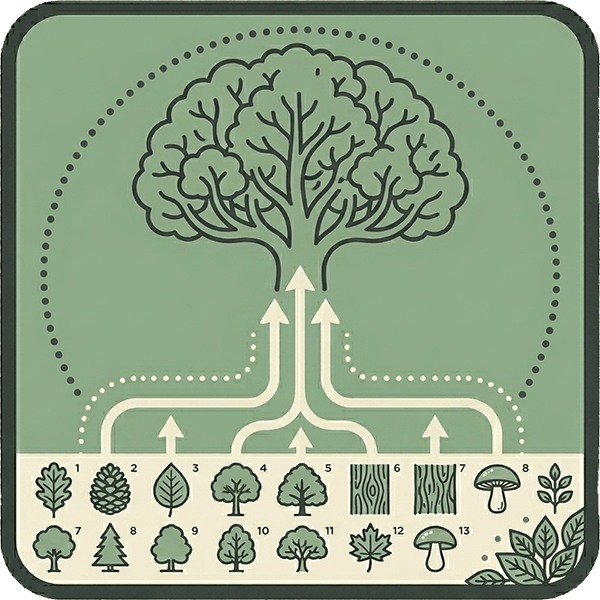
BOTTOM-UP PROCESSING
Bottom-up processing is a typical autistic way of approaching situations or problems, where you gather and analyse details first, gradually building a full picture. This contrasts with top down processing, which starts with a big idea or theory and then looks for supporting details. I like to describe it as seeing the individual trees before the forest — noticing the specifics first, then understanding how they fit together.
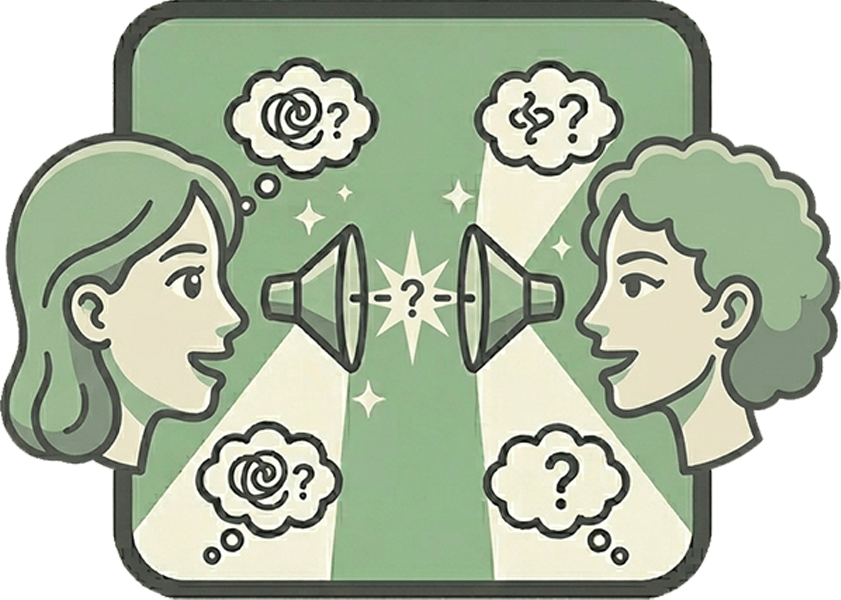
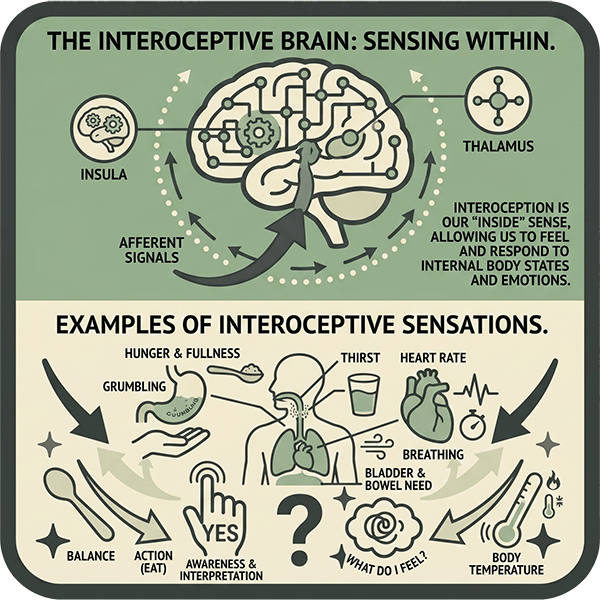

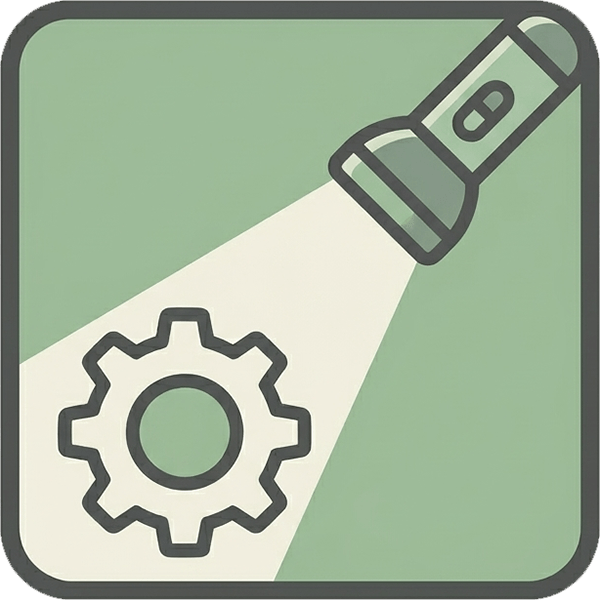
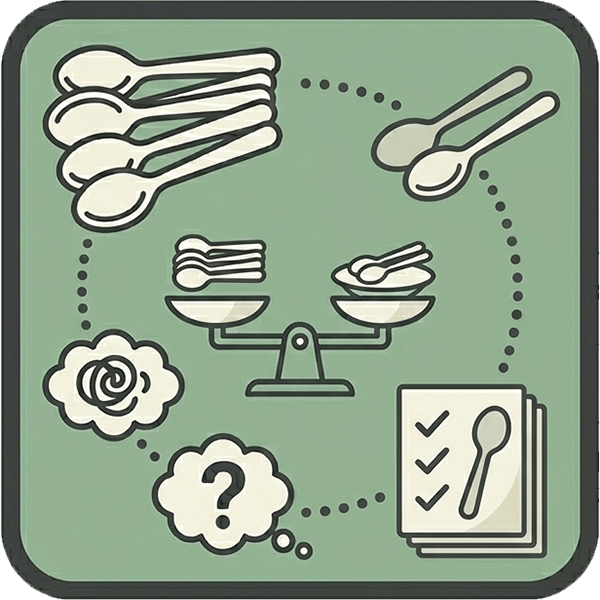
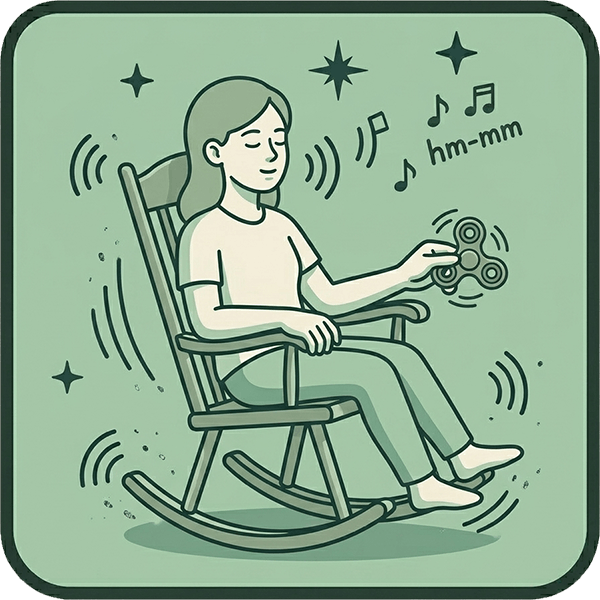
Now you have some words to help orient you, next is a way to respond to overwhelm - SOFTEN.
SOFTEN
A gentle guide
Understanding is a helpful starting point. Knowing how to respond to yourself in the moment matters too.
SOFTEN is a simple, compassionate framework to help you move through overwhelm with more care, ease, and self-understanding.
When you find yourself spiralling into shame, overwhelm, or anxiety - perhaps your jaw is clenched or your shoulders are sitting up by your ears - remember to soften.
SOFTEN
S – Slow down
Move gently, step by step
O – Observe
No fixing, just noticing
F – Feel
Feeling is information
T – Tend
Offer self-care
E – Ease
Lower demands, simplify
N – Notice
Notice what’s enough;
pause before exhaustion
You may also be hoping for some practical support… I’ve got you.
After years of shame and confusion around my energy, motivation, and ability to keep up with things like housework, cooking, emails, and daily tasks, I decided to soften my inner critic and find a more compassionate and sustainable approach.
And so, the nervous-system-friendly approach was born. Honestly, it has been transformative - but there is no rush to explore it until you feel ready.
A Nervous System Friendly Approach to Housework
Everyday tasks like housework can feel surprisingly overwhelming, especially when your nervous system is already under strain.
This gentle guide offers an alternative approach - one that works with your energy and capacity, rather than against it.
If you’ve come here from Guided by Autism, you’re in the right place - this is the resource mentioned in the book.
Please remember you are not alone in this journey.
If you would like to explore further:
SIGN UP TO MY NEWSLETTER
You will also receive a FREE three minute audio introduction to Guided by Autism:
A companion for late-diagnosed autistic women by author Lindsey Elms.
Privacy Policy
Terms & Conditions
Website by RIVVIT.MEDIA